
Is Hal Jordan Really Dead? Unpacking the Shocking ‘Lanterns’ Mystery
For years, comic book adaptations on television struggled to escape the conventional superhero template, frequently prioritizing world-saving spectacle over intimate, character-driven storytelling. HBO and DC Studios set out to subvert those longstanding expectations by pitching a grounded, slow-burn crime procedural built around intergalactic lawmen patrolling the heartland of Nebraska. Under the creative direction of DC Studios, the project aimed to redefine how legacy comic icons operate within a cinematic landscape that values tension and emotional realism over bombastic visual effects.
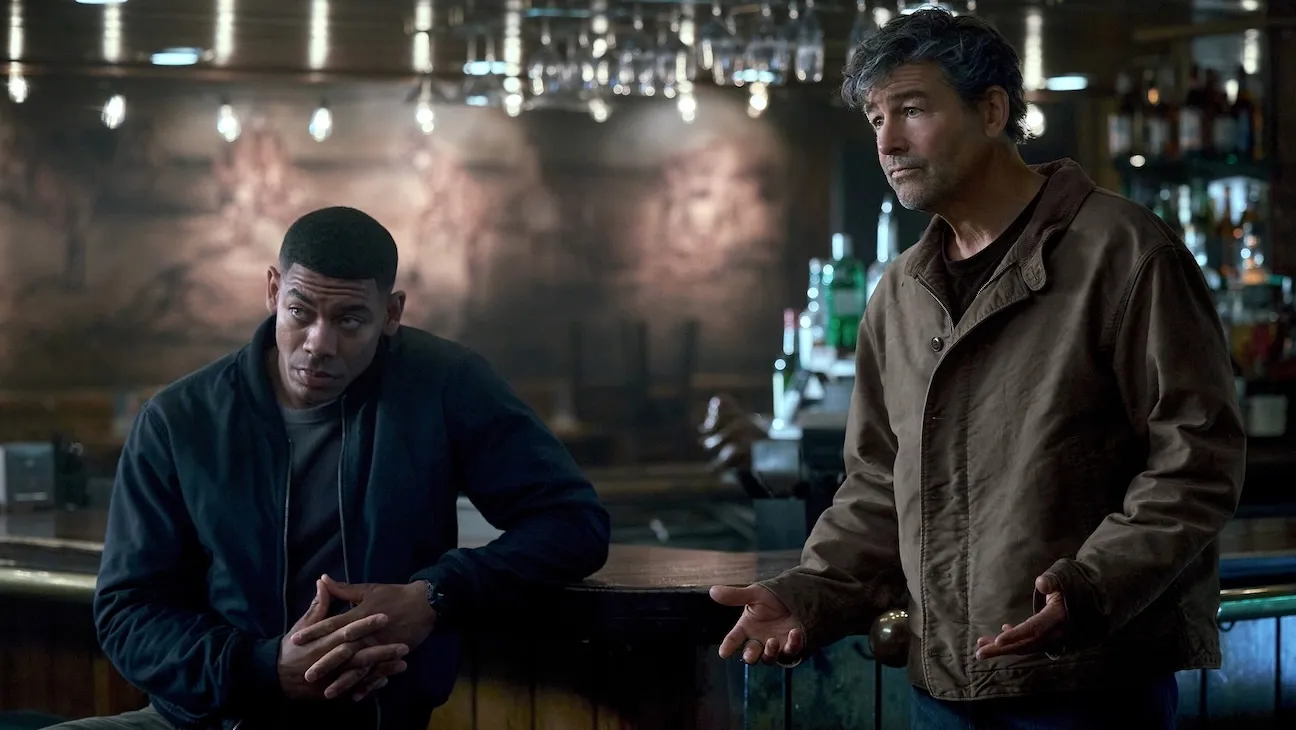
When The Hollywood Reporter confirmed that the premium cabler had ordered eight episodes of ‘Lanterns’ from showrunner Chris Mundy alongside co-writers Damon Lindelof and Tom King, audiences anticipated a prestige detective drama in the vein of ‘True Detective’. The series immediately distinguished itself by splitting its narrative across two distinct eras, contrasting an investigative mission in 2016 with darker ramifications unfolding a decade later. That ambitious structure allowed the creative team to examine the complex, fractured dynamic between seasoned veteran Hal Jordan, played by Kyle Chandler, and skeptical newcomer John Stewart, portrayed by Aaron Pierre.
The narrative foundation was upended when the opening hour delivered a breathtaking revelation, unveiling Hal Jordan dead on the snow-dusted bleachers of a Rushville football stadium in 2026. The veteran hero had suffered an apparent fatal gunshot wound to the head, and his iconic emerald power ring was nowhere to be found. For an introductory installment of a major franchise, extinguishing Earth’s most famous ring-slinger right out of the gate established an audacious, confounding mystery that immediately recalibrated viewer expectations.
Showrunner Chris Mundy admitted the creative gamble “was kind of big and scary” in an interview with IGN, explaining that the writing team needed the central tragedy to feel “as meaningful as possible and as emotional as possible for John.” Rather than treating the demise as a cheap shock, the writers envisioned the crime as the essential catalyst that pushes John to confront his destiny. By establishing Hal’s tragic endpoint early, every interaction between the two partners across the 2016 timeline gained an undercurrent of dramatic irony.
Tracing the Decade-Long Downfall of Hal Jordan
The central intrigue deepened exponentially following the midseason pivot, which bridged the gap between the chaotic showdown in Nebraska and the bleak reality of 2026. In the past timeline, John made the stunning decision to reject the Green Lantern mantle and return the power ring, choosing civilian life over cosmic duty. Left without a successor, Hal took the public fall for the catastrophic destruction of Rushville, serving a grueling 10-year prison sentence that dismantled his reputation and alienated his closest allies.
By the time the narrative leaps to 2026 in Episode 6, titled ‘Bad Optics’, the broader world has moved forward under the watchful eye of alternate protectors like Guy Gardner, played by Nathan Fillion. John has established a flourishing architectural enterprise with his brother, thriving in the aftermath of events tied to ‘Superman’. Yet the bitter animosity between the former partners never healed, culminating in a vicious confrontation that took place merely hours before Hal was fatally shot.
The Hologram Construct and Theories Behind the Murder
Despite the bleak image of Hal’s physical body resting in a mortuary shroud, the former test pilot has not vanished from the canvas. At the climax of the sixth installment, John exhumes his fallen mentor to retrieve his hidden ring, inadvertently awakening an interactive holographic backup programmed with Hal’s memories and dry wit. This ingenious narrative device ensures Kyle Chandler continues to deliver his commanding performance, effectively allowing the murdered detective to consult on his own homicide investigation.
Still, comic book history suggests that physical death is rarely the final chapter for someone of Hal Jordan’s stature. Dedicated fans point out that early episodes specifically mentioned alien impostors capable of mimicking human biology, raising the possibility that the deceased corpse might be an intricate Manhunter decoy. Others speculate the series could eventually draw inspiration from seminal comic lore like ‘Emerald Twilight’, positioning Hal for a metaphysical rebirth as Parallax or The Spectre.
What Hal’s Fate Means for the Future of ‘Lanterns’
Regardless of whether the physical corpse belongs to a tragic flesh-and-blood hero or an extraterrestrial counterfeit, the thematic stakes of ‘Lanterns’ remain remarkably potent. The creative team has made it clear that the soul of the series belongs to John Stewart as he navigates grief, betrayal, and institutional distrust. Hal’s sacrifice forces the rookie to reconcile his fractured past and finally claim the immense responsibility he spent an entire decade attempting to flee.
Let us know your thoughts in the comments below on whether Hal Jordan is gone for good or if ‘Lanterns’ is preparing one final cosmic resurrection.
Have something to add? Let us know in the comments below!