
‘Untold: Mr. T – I Pity the Fool’ Recap & Ending Explained: Inside the Pop Icon’s True Legacy
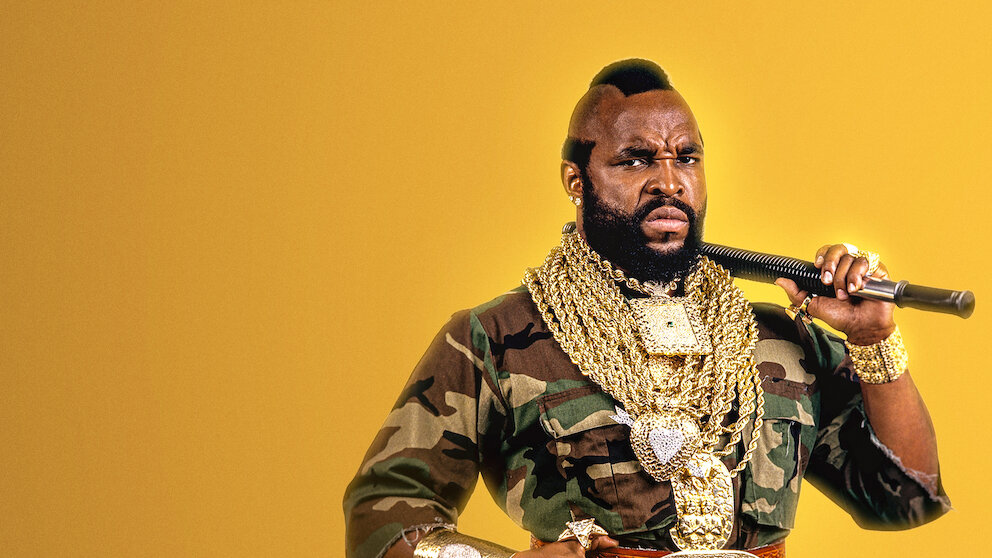
During the 1980s, American popular culture was dominated by larger-than-life personalities who felt ripped straight from the pages of comic books. Few figures captured the cultural zeitgeist with as much sheer charisma, unmistakable visual identity, and unapologetic swagger as Laurence Tureaud, better known to global audiences as Mr. T. The streaming documentary ‘Untold: Mr. T – I Pity the Fool’ takes viewers back to that booming era to reassess how an intimidating bodyguard became a permanent fixture of entertainment history.
For years, Netflix’s acclaimed ‘Untold’ franchise has peeled back the flashy exterior of celebrity culture to spotlight the unexpected vulnerabilities beneath public legends. From triumphant ring moments to commercial saturation, the public image of the mohawked powerhouse covered in 40 pounds of gold chains remains unforgettable across generations. Yet behind the ferocious scowls and classic punchlines lay an intensely private individual navigating trauma, institutional prejudice, and personal tragedy away from the cameras.
Directed by Scott Weintrob, the 48-minute documentary tracks the full journey of the pop culture titan, but its release arrives amid sharp pushback from the star himself. While promoting the project, Mr. T voiced his frustration in an interview with The Guardian, calling aspects of the final cut “garbage” for highlighting a perceived career downfall over his philanthropic mission and deep Christian faith. That real-world dispute gives the film an intriguing layer of tension, challenging audiences to look deeper into the ending and what Laurence Tureaud’s life really stood for.
Chicago Roots and the Birth of a Protector
The documentary begins its narrative recap in Chicago’s South Side, where Tureaud was raised as the 2nd youngest of 12 children inside the Robert Taylor Homes. Growing up in impoverished conditions, he witnessed his father and brothers endure constant disrespect, frequently being belittled as “boy” by white citizens in their daily lives. In response, he legally chose the moniker Mr. T at age 18, ensuring that the very 1st word spoken to him would always be a sign of respect.
His instinct to become a protector hardened into an obsession when his beloved mother was robbed at knifepoint while he was away from home. Overcome with personal guilt for failing to shield her, Tureaud threw himself into intense weightlifting and physical discipline so that he would never be helpless again. That physical presence earned him work as a bouncer at Chicago’s famous Dingbat’s Disco, which soon elevated him into high-profile bodyguard assignments protecting music and boxing royalty like Michael Jackson and Leon Spinks.
Hollywood Explosion and the Misunderstood Decline
His path to global fame accelerated after he entered and won the “America’s Toughest Bouncer” competition 2 years in a row on the NBC program ‘Games People Play’. Watching the broadcast, Sylvester Stallone instantly realized the bouncer had natural star power and cast him as Clubber Lang in 1982’s ‘Rocky III’. That breakout performance introduced the world to his signature battle cry, “I pity the fool,” which transformed into a cultural catchphrase overnight.
Following that boxing smash, he landed his career-defining role as Sergeant First Class B.A. Baracus in the hit adventure series ‘The A-Team’, running for 5 seasons from 1983 to 1987. Stardom rapidly exploded into cartoon series, breakfast cereals, lunchboxes, and a high-profile tag-team main event at WrestleMania 1 with Hulk Hogan. However, the documentary’s 2nd half turns toward his quiet 1990s slowdown, featuring commentary from his former agent, Peter Young, who argues that eccentric roles like the Bearded Lady in 1993’s ‘Freaked’ damaged his commercial standing.
The Ending Explained: Redefining the Catchphrase and Finding Peace
The ending of ‘Untold: Mr. T – I Pity the Fool’ reframes that alleged decline, revealing that stepping back from Hollywood was an intentional choice rather than a personal failure. In 1995, Tureaud was diagnosed with T-cell lymphoma, a harrowing battle with cancer that profoundly restructured his priorities toward faith, community service, and his family. He later chose to permanently shed his iconic chains after witnessing the devastation of Hurricane Katrina in 2005, realizing that flaunting personal wealth was inappropriate in the face of human suffering.
In the documentary’s emotional final moments, Mr. T redefines his iconic motto, explaining that crying and processing trauma is not weakness, but a vital human truth. “I pity the man who don’t cry and let it out,” he explains directly to the camera, emphasizing that vulnerability is the ultimate form of strength. Having achieved his only true childhood goal of buying his mother a home, the 74-year-old icon exits the frame at complete peace with God, wholly unbothered by Hollywood’s narrow metrics of success.
Share your thoughts on Laurence Tureaud’s candid reflections and the emotional conclusion of ‘Untold: Mr. T – I Pity the Fool’ in the comments below.
Have something to add? Let us know in the comments below!