
How ‘Gladiator’ And ‘Braveheart’ Inspired Paul Greengrass’s Medieval Epic ‘The Uprising’
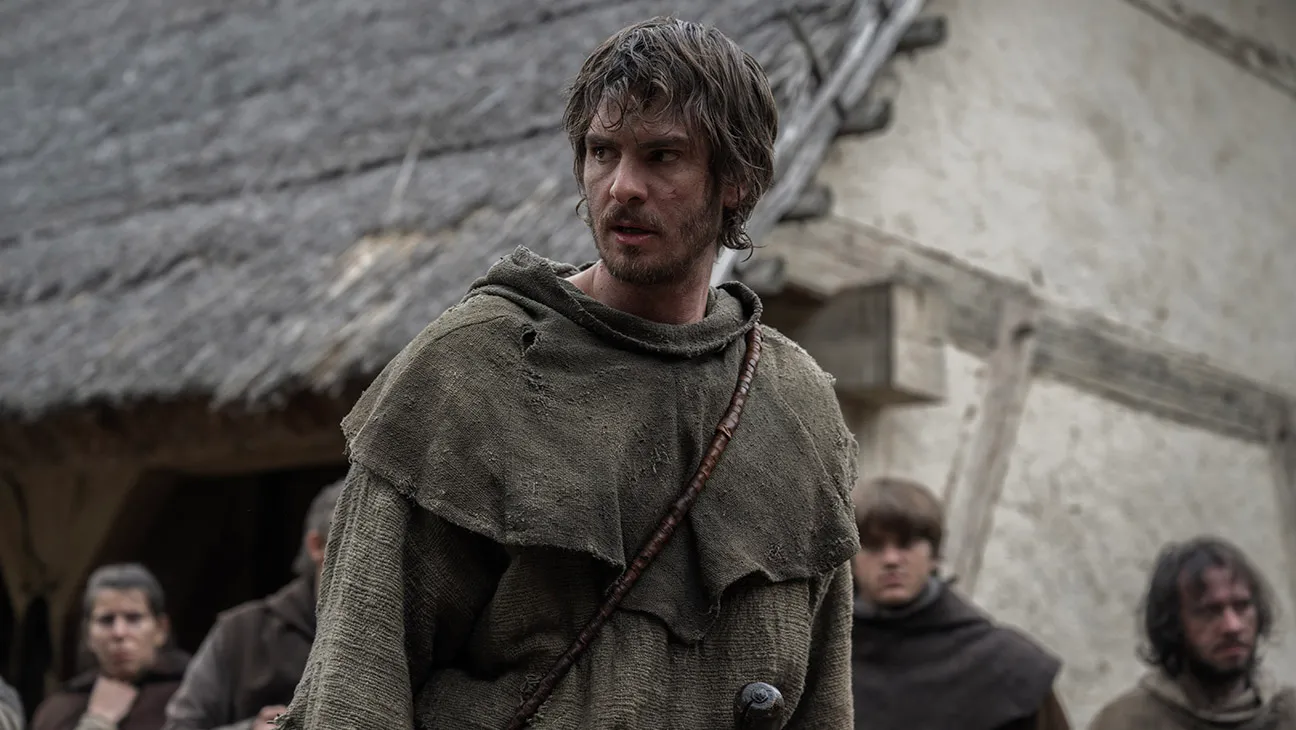
Paul Greengrass has built one of the most distinctive visual languages in modern cinema, transforming chaotic real-world events into breathless, pulse-pounding drama. With his latest project, ‘The Uprising’, the acclaimed British filmmaker trades modern battlefields and geopolitical espionage for the mud and fury of the fourteenth century. The cinematic venture marks a striking creative detour for the director, whose career has long been defined by urgent contemporary storytelling.
Audiences typically associate Greengrass with the relentless kinetic realism of ‘The Bourne Supremacy’, ‘The Bourne Ultimatum’, and ‘Captain Phillips’. Even when tackling historical events in earlier works such as ‘Bloody Sunday’ and ‘United 93’, his lens remained firmly tethered to twentieth- and twenty-first-century crises. Venturing into the medieval era presents an entirely new canvas, demanding a delicate balance between visceral handheld action and grand period authenticity.
Now, as the film arrives on the big screen, Greengrass has illuminated the classic blockbusters that shaped his vision for the medieval spectacle. Speaking to DiscussingFilm, the director revealed the cinematic titans that motivated him to tackle the dramatic rebellion. “I love movies like Gladiator and Braveheart,” Greengrass explained when discussing what drew him to the fourteenth-century conflict. “Big historical epics… stories about injustice with strong characters who are really putting themselves on the line.”
Those cinematic touchstones are evident in the sheer scale of the conflict depicted on screen. While masterpieces like ‘Gladiator’ and ‘Braveheart’ channeled defiance against tyrannical rule through singular warriors, Greengrass channels that same fighting spirit through a grassroots groundswell of everyday working-class laborers. The resulting drama centers on regular men and women pushed to their absolute limits when systemic exploitation leaves them with no alternative but open revolt.
Set against the devastating aftermath of the Black Death, ‘The Uprising’ chronicles the historic Peasants’ Revolt of 1381. Reeling from mass mortality and severe economic disruption, England’s lower class reached a breaking point when the royal court of 14-year-old King Richard II imposed punitive poll taxes to fund foreign wars. Rather than submitting to feudal decrees that forced wages down and stripped away basic dignity, thousands of commoners banded together to march on London.
Andrew Garfield commands the screen as a grieving Essex farmer identified simply as Ploughman, whose sudden act of resistance ignites a nationwide surge of defiance. The production surrounds Garfield with a formidable ensemble, featuring Jamie Bell as the radical preacher John Ball, Cosmo Jarvis as rebel commander Wat Tyler, and Thomasin McKenzie as Alyce. The conflict is rounded out by Stephen Dillane, Tom Hollander, and Katherine Waterston portraying the ruthless nobility advising young monarch Woody Norman.
Critics assessing the film have highlighted both the commanding presence of its lead actor and the director’s enduring fascination with social unrest. Reflecting on the project’s ambition, Owen Myers wrote for The Guardian that the production is “a historical epic from a blue-chip director” examining a milieu that “uncomfortably chimes with the western world’s backslide into repressive authoritarianism.” While some reviewers have debated whether the filmmaker’s trademark camera style fully suits medieval warfare, Garfield’s ferocious physical commitment remains widely praised.
Ultimately, Greengrass looks backward across six centuries not to deliver a dusty history lecture, but to hold up an energetic mirror to modern political anxieties. By fusing his documentary instincts with the sweeping spirit of the epics that influenced him, the filmmaker seeks to capture the timeless human impulse to resist subjugation. Distributed by Focus Features, ‘The Uprising’ arrives in theaters on September 11, inviting moviegoers to witness the legendary revolt unfold on the big screen.
Have something to add? Let us know in the comments below!