
How ‘Lanterns’ Uses Its Sharpest Running Joke to Deconstruct Green Lantern Lore
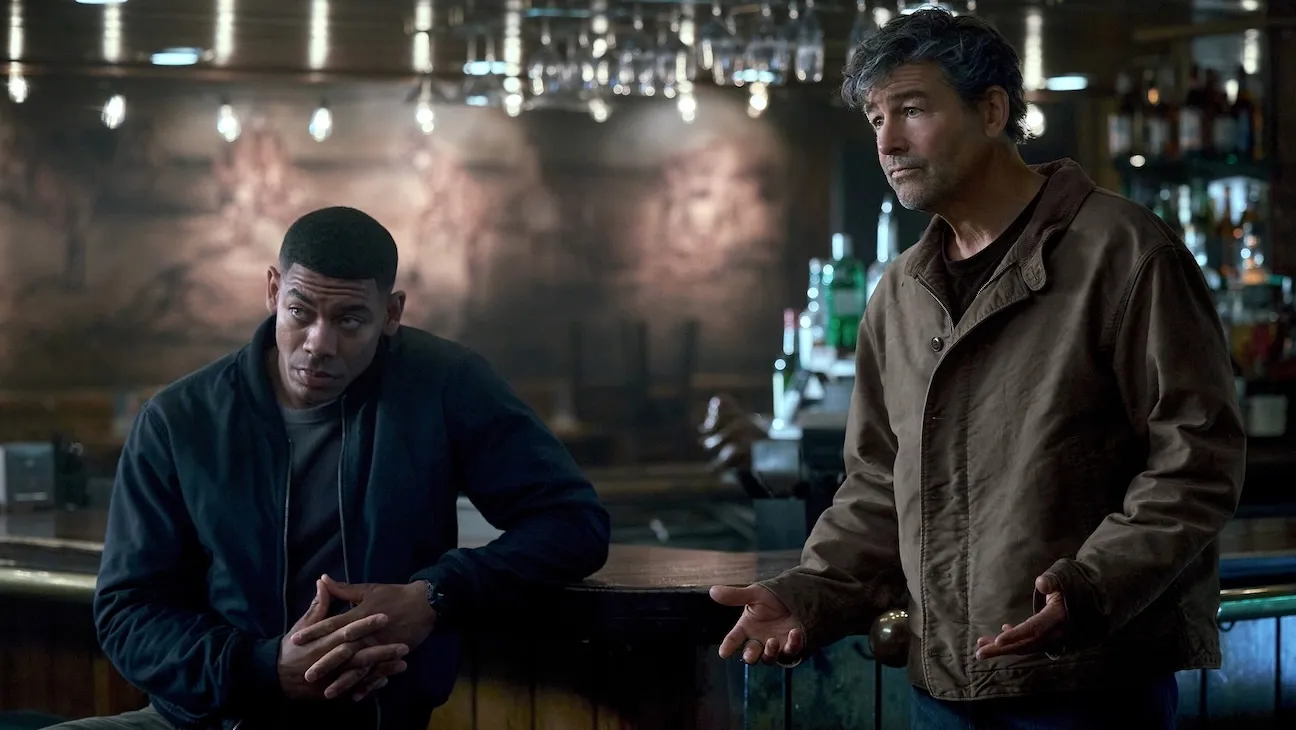
The modern superhero television landscape has entered a notable era of reinvention, moving steadily away from hollow spectacle in favor of prestige, character-driven storytelling. As Warner Bros. Discovery and DC Studios construct an interconnected universe, HBO has embraced grounded dramas that strip away glossy comic tropes. The series ‘Lanterns’ exemplifies this evolution, reinterpreting decades of intergalactic lore through the lens of a gritty crime procedural.
Developed by showrunner Chris Mundy alongside writers Damon Lindelof and Tom King, the eight-episode project grounds cosmic mythology within the plains of rural Nebraska. Industry anticipation surged after Deadline confirmed that Kyle Chandler was cast as veteran hero Hal Jordan opposite Aaron Pierre as recruit John Stewart. Their uneasy partnership anchors a somber narrative split across two timelines investigating a dark heartland conspiracy.
Yet beneath the grim mystery and detective atmosphere, the series conceals an unexpected and sharp narrative engine. The writers pepper the drama with a clever running joke that slyly deconstructs the most sacred pillar of comic lore. Rather than revering the idea of being completely fearless, ‘Lanterns’ turns the concept into an ongoing critique of fragile masculine bravado.
Dismantling the Comic Myth of Fearlessness
In classic DC Comics canon, the emerald power ring selects bearers possessing iron willpower and the rare ability to overcome great fear. Hal Jordan was famously celebrated across comic history as “the man without fear,” a daring test pilot who faced cosmic horrors without flinching. That decades-long legacy established a standard where heroes proved their worth through absolute emotional invulnerability.
In ‘Lanterns’, however, the creative team deliberately punctures that myth at every available opportunity. Whenever Hal Jordan, John Stewart, or Nathan Fillion’s impulsive Guy Gardner face genuine peril, their courage is immediately challenged. Instead of delivering noble speeches about fortitude, the characters repeatedly collapse into childish bickering that resembles petty schoolyard squabbles.
Whenever one ring-bearer questions whether another is terrified, the conversation swiftly degenerates into rapid-fire posturing. Spoken with defensive petulance, taunts like “You’re scared!” are instantly answered with indignant shouts of “No I’m not!” This recurring gag strips the characters of their untouchable status, exposing how often their cosmic heroism is driven by stubborn adolescent pride.
Emotional Walls and Fragile Bravado
The brilliance of this running gag is that it never operates merely as slapstick, directly reflecting each man’s internal trauma. Reflecting on the gritty dialogue and mature character dynamics, executive producer Damon Lindelof explained in an interview with Brandon Davis that “we wanted to tell an explicitly adult story and the question was really really simple which is would Hal Jordan use the F-word a lot and the answer seemed to be yes.”
For Chandler’s world-weary Hal Jordan, that profanity and fearless swagger serve as armor hiding profound isolation and regret. When Jordan meets with Sinestro, the former mentor quickly discerns that Hal’s projection of confidence is a fragile facade edging on fatal arrogance. By refusing to admit his dread, Jordan falls victim to manipulation that brings catastrophic fallout to Rushville.
Pierre’s John Stewart wrestles with the exact same dilemma through a different style of emotional suppression. Conditioned by his family to bury vulnerability, Stewart spent years in the military mistaking emotional numbness for true inner strength. The series’ recurring fear banter highlights that Stewart’s cold composure is not fearlessness, but an exhausting defense mechanism guarding against past pain.
Redefining True Willpower in the DC Universe
The recurring joke also spares no sympathy for Guy Gardner, whose bluster evaporates whenever his standing within the Green Lantern Corps is questioned. Gardner’s outward hostility masks a desperate panic that he is simply an inadequate placeholder who will never measure up to legendary predecessors. By showing all three human heroes masking insecurity behind machismo, the series delivers a sharp critique of classic superhero stoicism.
Through this persistent joke, ‘Lanterns’ fundamentally reinvents what it means to wield a weapon fueled by emotional willpower. The narrative argues that denying natural fear does not make a protector strong, but instead leaves them reckless and easily compromised. To master true willpower, these space cops must first find the humility to acknowledge their vulnerability rather than hiding behind juvenile bravado.
By transforming the myth of fearlessness into its sharpest running joke, the HBO series honors comic tradition while ruthlessly modernizing its themes. It turns what could have been a predictable buddy-cop dynamic into a nuanced psychological journey about grief, pride, and authentic courage. The new DC Universe proves its storytelling maturity by having the confidence to laugh at its own heroes’ oldest legends.
What did you think of the fear-based running joke in ‘Lanterns’, and do you feel it reshapes Green Lantern lore?
Have something to add? Let us know in the comments below!