
From ‘Monster’ to True Crime Sagas: How Cinema Portrayed Aileen Wuornos
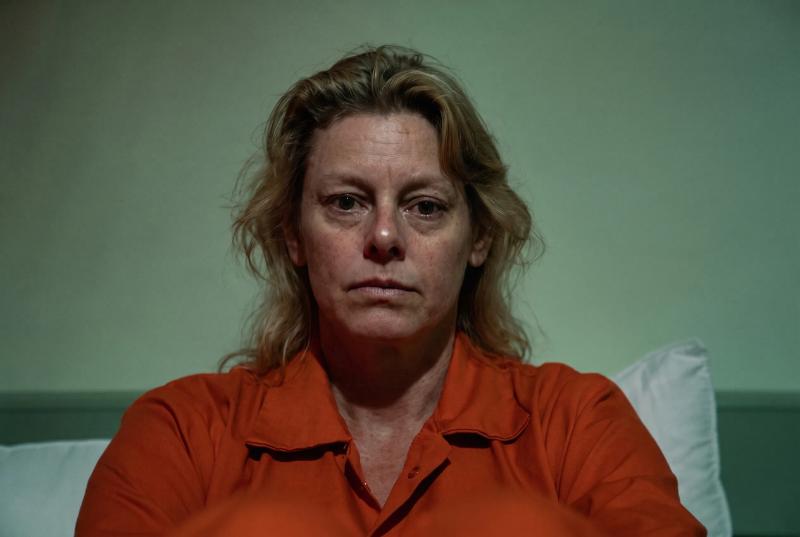
True crime storytelling has long maintained a profound, complicated grip on the cinematic landscape, especially when dramatizing cases that blur the boundary between horrific violence and systemic breakdown. Among the most scrutinized chapters in modern American legal history, movies about Aileen Wuornos occupy a uniquely haunting corner of character-driven cinema. Rather than conforming to simple exploitation tropes, filmmakers across three decades have consistently revisited this dark saga to interrogate issues of marginalization, personal trauma, and media sensationalism.
For years, the film industry often reduced real-life homicides to tidy police procedurals or lurid television melodramas. Grappling with a narrative as psychologically fractured and socially tragic as the Florida highway murders required storytellers to discard familiar genre formulas entirely. That creative evolution pushed directors and screenwriters toward deeply personal portraits, ultimately transforming a grim tabloid headline into one of modern filmmaking’s most complex character studies.
Patty Jenkins and the Uncompromising Authenticity of ‘Monster’
The cinematic breakthrough for the story arrived with the 2003 independent feature ‘Monster’, written and directed by Patty Jenkins in her feature debut. Centering on the intense relationship between the highway sex worker and her younger lover Selby Wall, Jenkins adamantly refused to reduce the tragic lead figure to an irredeemable villain. When reflecting on her choice to cast Charlize Theron against type, Jenkins explained that “I believed wholeheartedly she could do it,” in an interview with the Los Angeles Times.
Jenkins ensured the screenplay adhered strictly to court records and depositions to capture an honest representation of both volatile violence and crushing vulnerability. Theron matched that directorial precision with a career-defining performance that swept the awards circuit and secured an Academy Award for Best Actress. By peeling away traditional Hollywood vanity, the production permanently elevated the true crime genre by demanding genuine empathy without ever excusing heinous acts.
Nick Broomfield and the Anatomy of Media Exploitation
Well before narrative features tackled the subject, acclaimed British documentarian Nick Broomfield provided the most piercing direct-cinema investigation into the case. His 1992 documentary ‘Aileen Wuornos: The Selling of a Serial Killer’ exposed the sordid media circus surrounding her arrest, including predatory lawyers and law enforcement officers attempting to sell film rights. A decade later, Broomfield returned to conduct her harrowing final death-row interviews in the 2003 sequel ‘Aileen: Life and Death of a Serial Killer’.
Broomfield even assisted Theron during early pre-production for ‘Monster’ by providing archival tapes that captured the convict’s specific vocal cadences and emotional fragility. After viewing the finished dramatization, Broomfield conceded that “At times I actually thought I was watching Wuornos,” as told to The Guardian. Together, his two investigative documentaries remain essential viewing because they reveal the profound failure of the legal and mental health institutions surrounding her execution.
Early Television Dramatizations and Pulp Reinterpretations
The cinematic catalog exploring this tragedy also features earlier, lesser-known screen efforts produced while legal proceedings were still actively unfolding. In 1992, director Peter Levin helmed the television drama ‘Overkill: The Aileen Wuornos Story’, featuring Jean Smart in an intense central role. Constrained by the broadcast television standards of the early 1990s, the film diluted the complex same-sex romance and leaned heavily into traditional police procedural tropes.
Nearly two decades later, independent cinema returned to the narrative from a much more stylized genre angle with ‘Aileen Wuornos: American Boogeywoman’ in 2021. Directed by Daniel Farrands and starring Peyton List, the prequel dramatized the turbulent period in 1976 when a young Wuornos married a wealthy yacht club president. Although the production leaned unapologetically into pulpy thriller territory, it proved that the subject continues to fascinate new generations of genre directors.
The Complex Legacy of True Crime Character Studies
Analyzing the broader canon of these films reveals an ongoing debate over how cinema should responsibly handle genuine human agony. The fundamental tension between Broomfield’s stark investigative journalism and Jenkins’ empathetic dramatic framing reflects cinema’s evolving moral responsibility. Across every distinct interpretation, artists have struggled to balance the grim realities of seven murders against the profound socio-economic abuse that forged an American tragedy.
Ultimately, movies exploring this dark saga endure because they resist tidy, black-and-white moral resolutions. These cinematic works demonstrate that understanding the deep root causes of violence requires confronting uncomfortable truths about societal failure and human suffering.
Which cinematic portrayal of this heartbreaking case resonated with you the most, and what are your thoughts on how cinema explores real-world crimes in the comments below?
Have something to add? Let us know in the comments below!